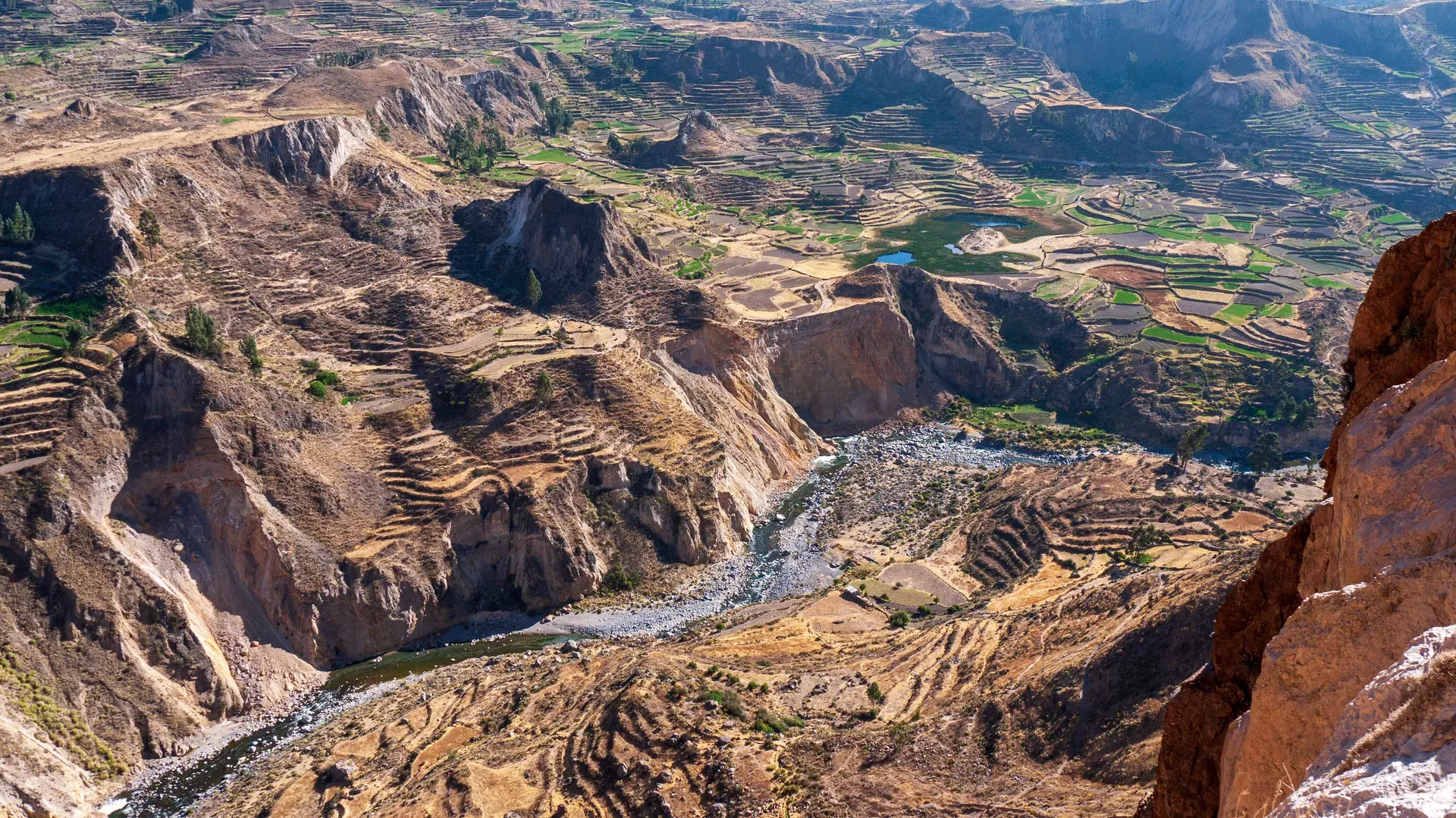
Explore one of the deepest canyons in the world with our selection of guided day trips and multi-day treks. Spot Andean condors in flight, visit the Cruz del Cóndor viewpoint, and hike through traditional Andean villages.
 Free Cancellation
 A fast-paced exploration of Colca Canyon, blending traditional village culture with challenging high-altitude hiking.
 Free Cancellation
 A full-day trip from Arequipa to the Colca Canyon to see wild condors, ancient terraces, and natural hot springs.

Watch Andean Condors fly over the Colca Canyon on a small-group tour exploring local culture and volcanic landscapes.

A two-day trek through one of the world's deepest canyons, featuring condor sightings and high-altitude wildlife.
 Free Cancellation
 Visit one of the world's deepest canyons to see Andean condors and explore traditional Inca terrace-farming villages.
 Free Cancellation
 A three-day trek through Colca Canyon to see condors, visit rural villages, and walk ancient Inca pathways.
 Free Cancellation
 A full-day trip from Arequipa to see condors at Cruz del Cóndor, explore ancient terraces, and visit hot springs.
 Free Cancellation
 Witness the Flight of the Condor and explore the depths of Colca Canyon on a full-day tour of the region's highlights.
 Free Cancellation
 A full-day guided journey to the depths of Colca Canyon, featuring Andean scenery and local mountain culture.
 Free Cancellation
 Explore the Colca Canyon over two days, spotting wild vicuñas and watching Andean condors fly above terraced valleys.
Read what travelers share about their experience visiting Colca Canyon — from practical tips to personal highlights.
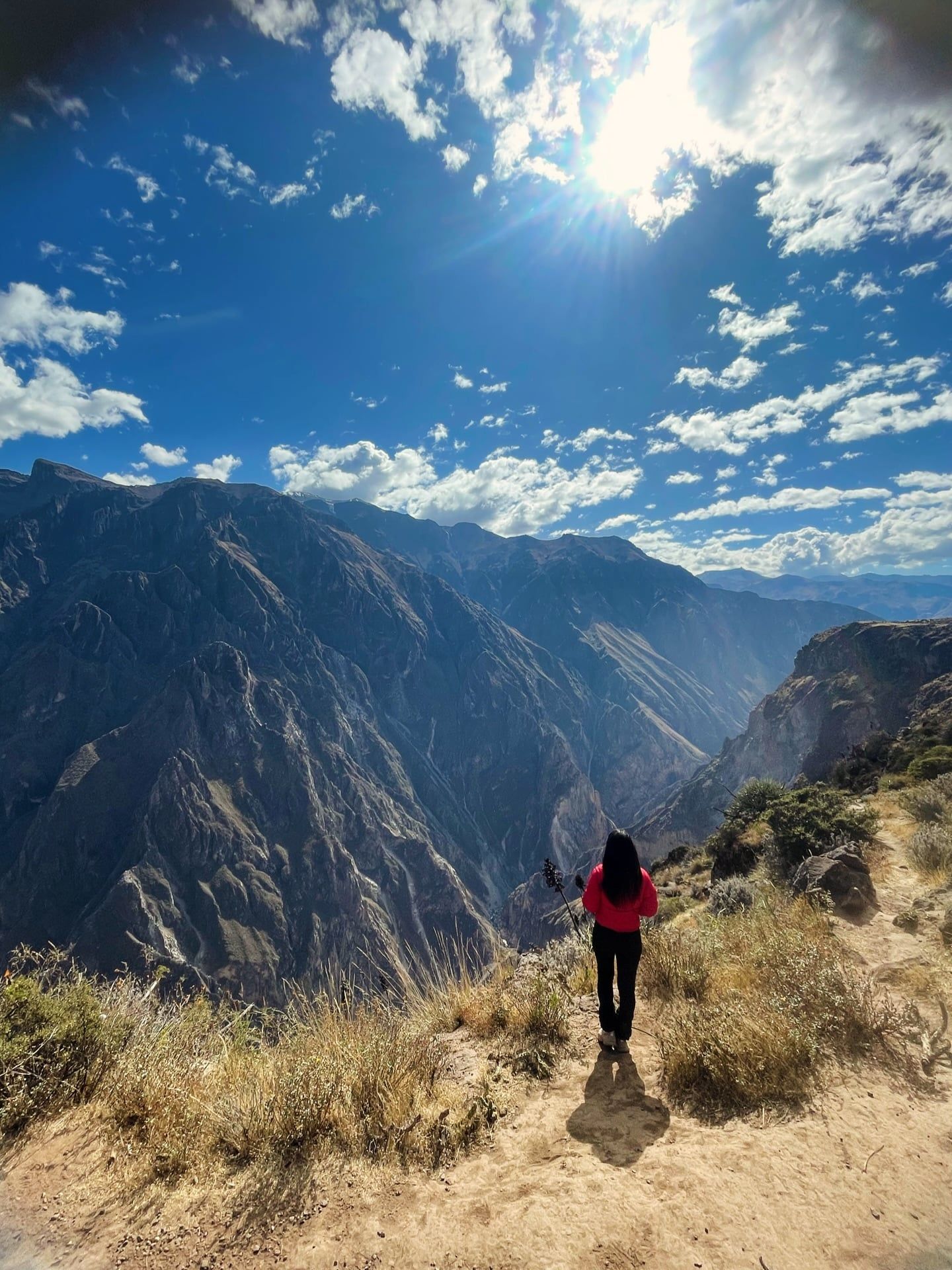
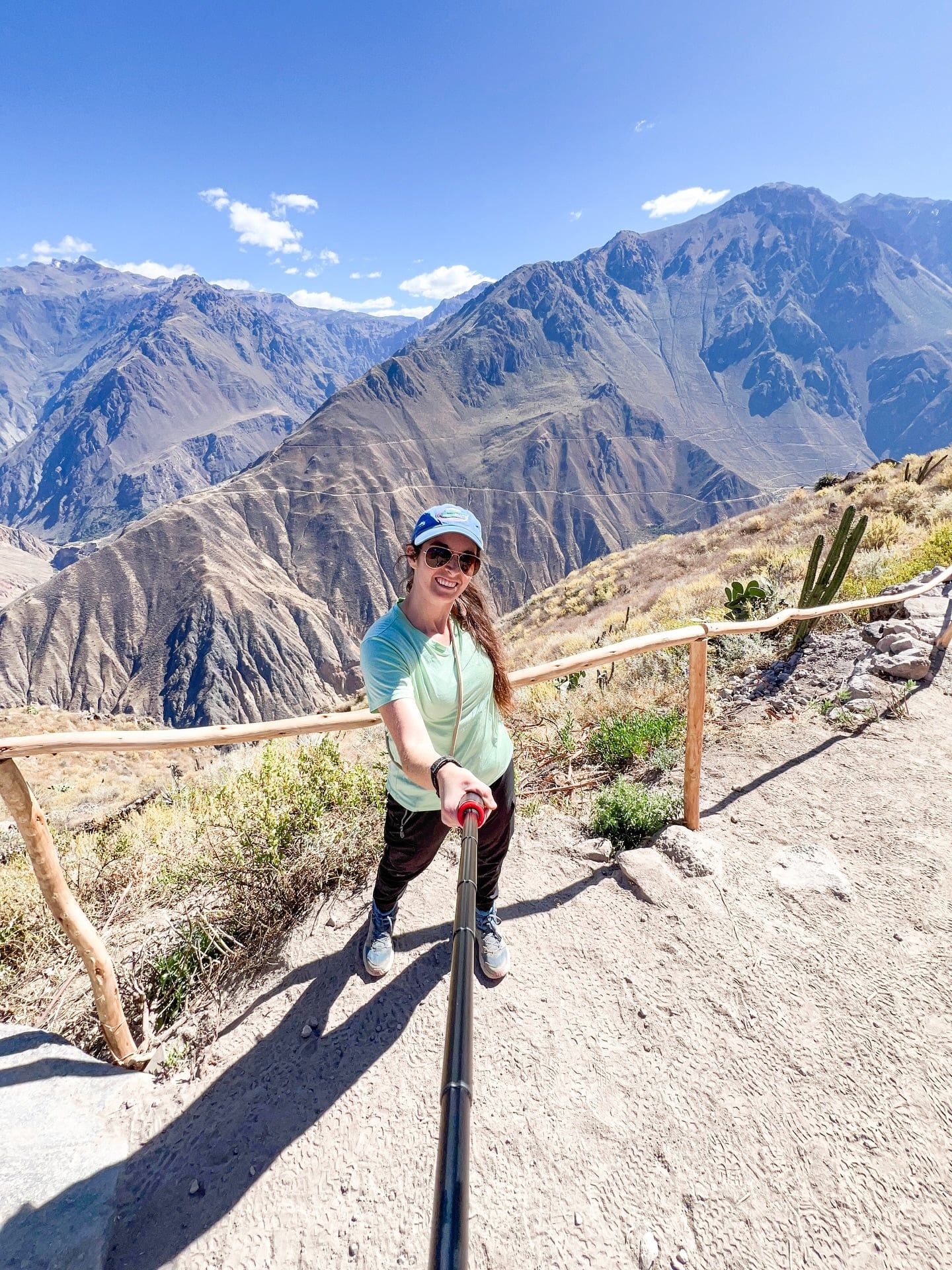
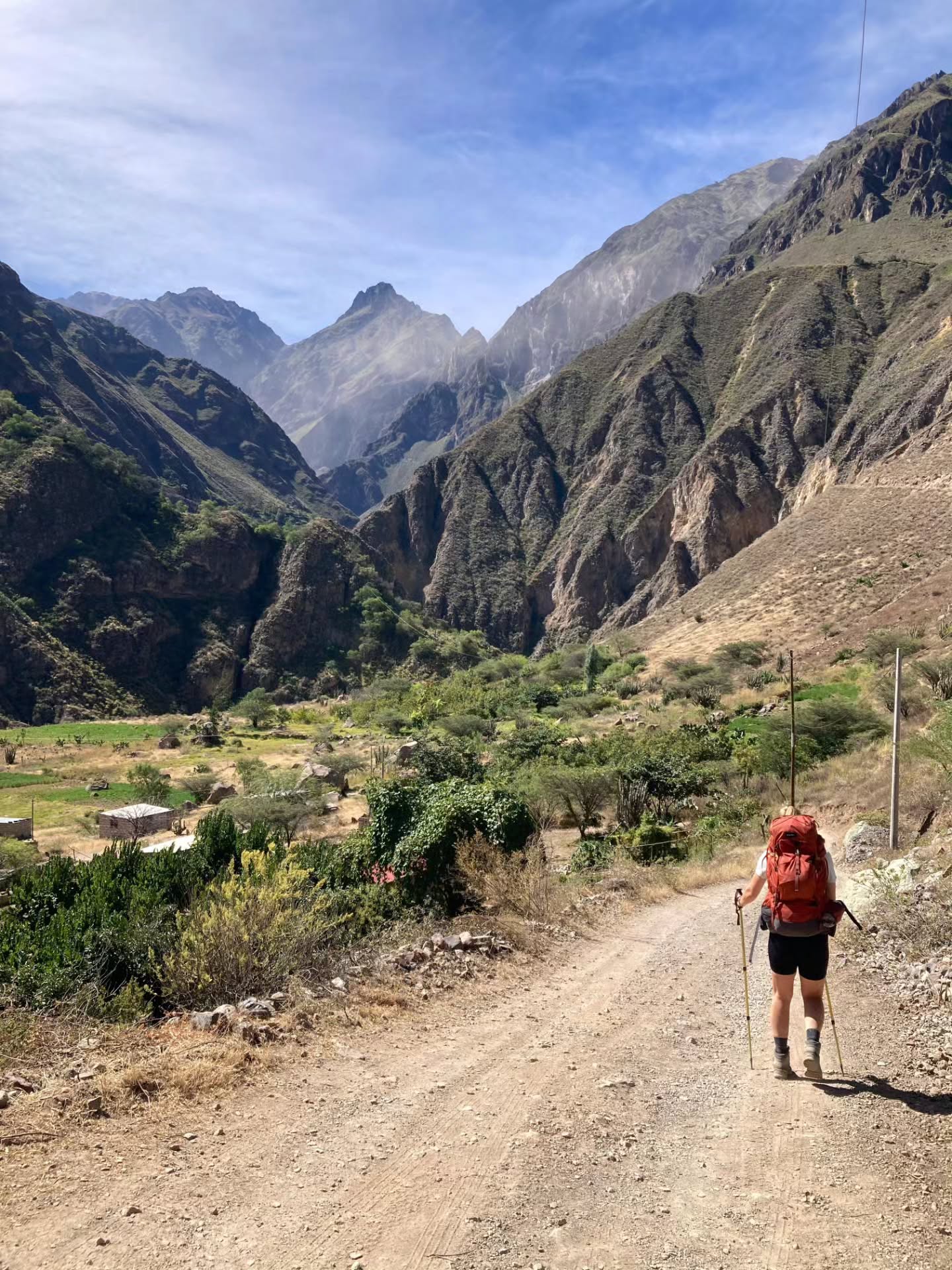
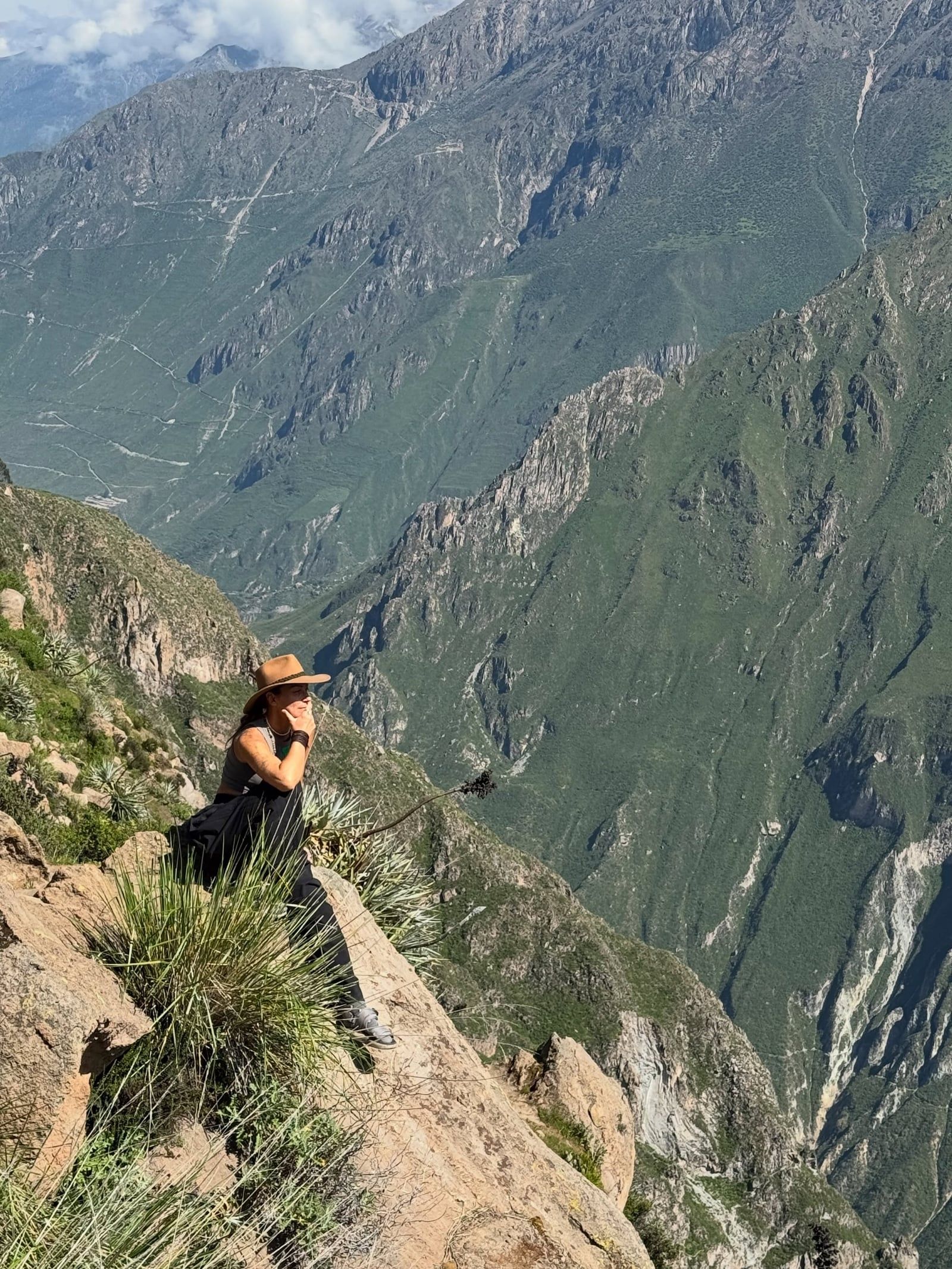
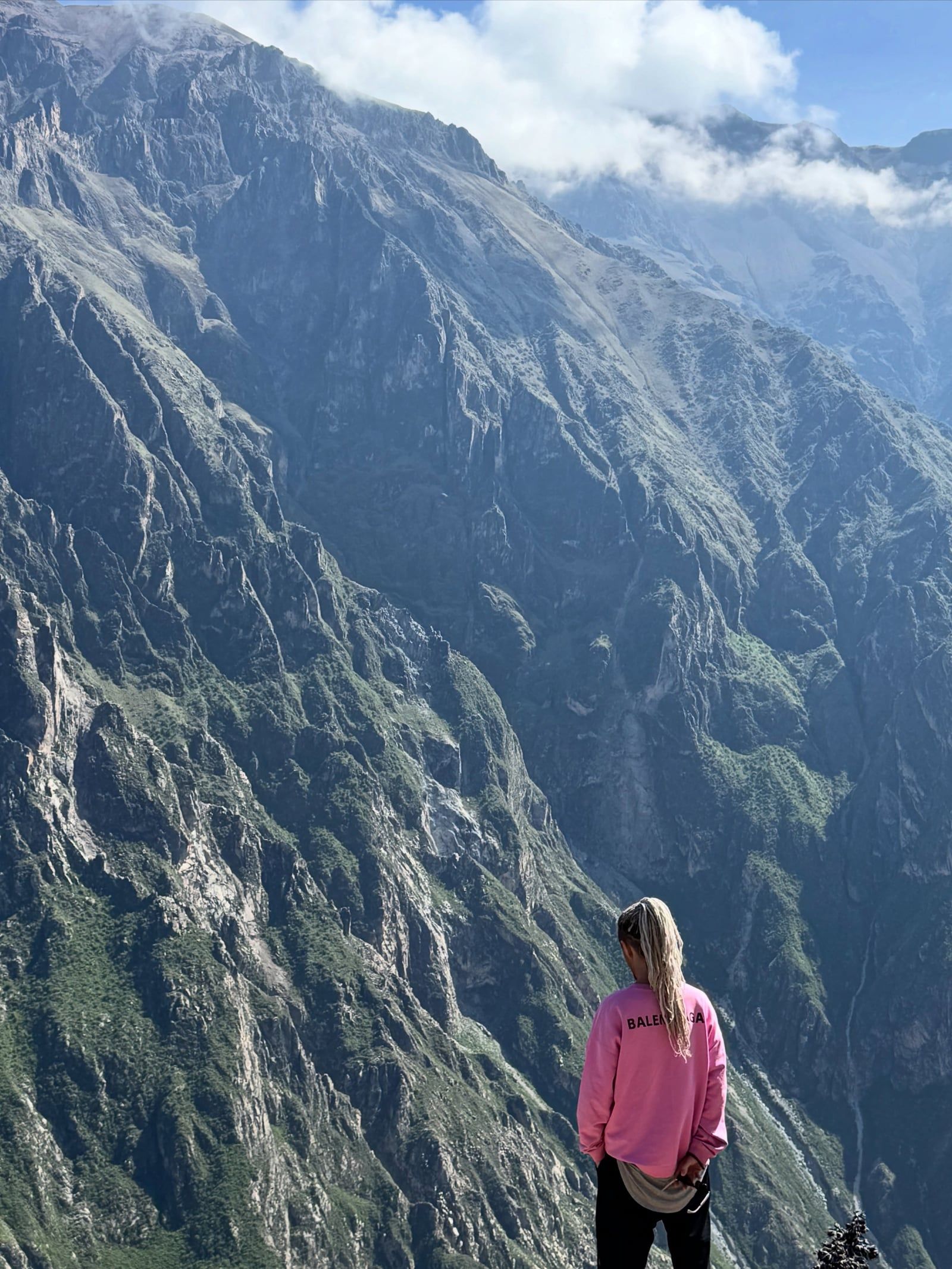
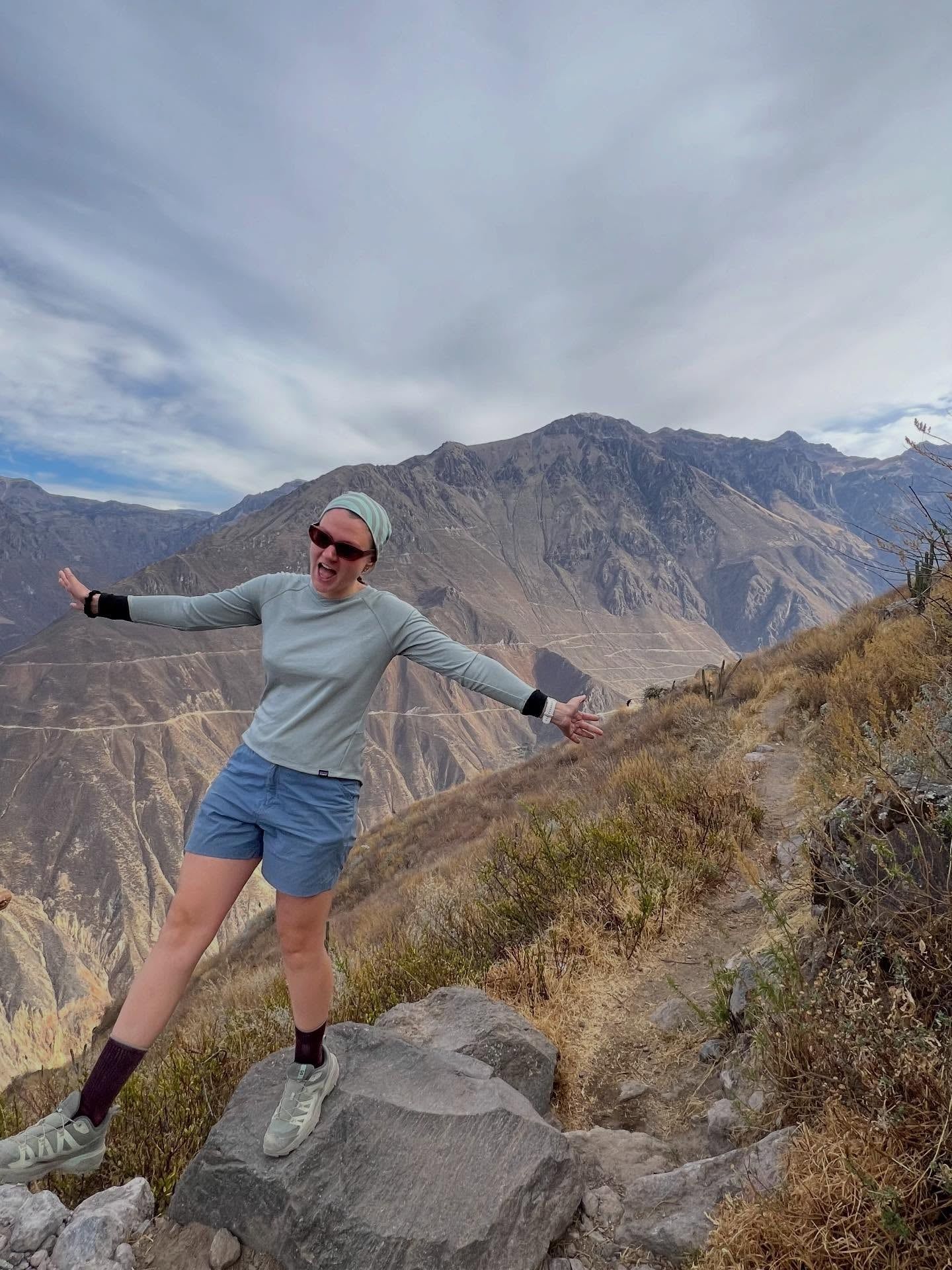
Visiting Colca Canyon means exploring one of the deepest gorges on Earth, plunging 4,160 meters into the Andean earth. Whether you take a scenic driving tour or a multi-day trek, you will experience dramatic high-altitude landscapes, ancient agricultural terraces, and the unforgettable sight of giant Andean condors riding the thermal winds.
This famous cliffside viewpoint offers vertigo-inducing views of the canyon's depths. It is the absolute best spot to watch Andean condors, with their massive eight-foot wingspans, gliding just meters away.
Located at the very bottom of the canyon, this lush green oasis provides a tropical contrast to the arid desert slopes. Hikers can cool off in natural swimming pools surrounded by palm trees.
Tours drive through the Patapampa Pass, reaching a staggering 4,900 meters above sea level. Here, you get panoramic views of snow-capped, active volcanoes and herds of grazing alpacas.
Many tours include a stop at natural thermal baths like La Calera near Chivay. The mineral-rich volcanic waters range from 36°C to 50°C, perfect for soothing sore muscles after a hike.
You will pass through historic towns like Chivay and Yanque, which feature 18th-century baroque churches. Locals still maintain pre-Inca traditions and cultivate the ancient stepped terraces.
Before you reserve your Colca Canyon tour, it is crucial to understand the physical demands, the extremely early start times, and what is actually included in your ticket price.
Almost all Colca Canyon tours from Arequipa begin with hotel pick-ups between 3:00 AM and 3:30 AM. This is necessary to reach the Cruz del Condor viewpoint by 8:00 AM, which is the prime time for condor activity.
The mandatory entrance fee to the canyon is S/ 70.00 (approx. USD 19) for non-Latin American foreigners. This fee is almost never included in the base price of your tour and must be paid in cash (Peruvian Soles) at the Chivay checkpoint.
You can choose between full-day scenic driving tours, standard 2-day/1-night treks, or 3-day deep canyon treks. Full-day tours involve a lot of driving (about 6 hours round trip) and minimal hiking, while treks require descending and ascending the steep canyon walls.
Trekking tours are not for the faint of heart. The trails are incredibly steep, narrow, and covered in loose gravel. You need a moderate to high level of fitness, and these tours are not recommended for travelers with poor cardiovascular health or spinal injuries.
The canyon sits at a high elevation, and you will pass through areas reaching 4,900 meters. You must spend at least two days acclimatizing in Arequipa before your tour to avoid severe altitude sickness.
There are no ATMs inside the canyon, and credit cards are not accepted at ticket checkpoints, rustic hostels, or hot springs. You must bring enough cash for your entrance ticket, extra meals, water, and emergency mule rentals.
Most tours include round-trip transport from Arequipa, an English/Spanish guide, and basic meals (like breakfast). However, hot spring entrance fees, the Boleto Turístico, and tips are typically excluded.
Most standard group tours offer a full refund if you cancel at least 24 hours before the scheduled departure time. Always check the specific policy on your booking, as some private or multi-day treks may have stricter rules.
| Full-Day Tour | 2-Day 1-Night Trek | 3-Day Trek | |
|---|---|---|---|
| Duration | 15-16 hours | 48 hours | 72 hours |
| Best for | Travelers on a tight schedule who want views without heavy hiking | Active hikers wanting to reach the canyon floor and Sangalle Oasis | Hikers who want a slower pace and deeper exploration of remote villages |
| Includes | Transport, Guide, Breakfast (sometimes Lunch) | Transport, Guide, 1 Night Accommodation, Meals | Transport, Guide, 2 Nights Accommodation, Meals |
| Price from | $35 - $40 | $90 - $124 | $98 - $110 |
While the canyon itself is a massive natural area, official checkpoints and information offices have strict operating hours:
Note that if you are on a guided tour, your transport will pass through the Chivay checkpoint early in the morning, well within operating hours.
Colca Canyon is located about 160 kilometers northwest of Arequipa. If you aren't taking a guided tour with included transport, you have a few options:
Dry Season (May to November): This is the absolute best time to visit, specifically between April and August. The skies are clear, the hiking trails are dry and stable, and the thermal drafts are perfect for reliable Andean condor sightings.
Rainy Season (December to March): This period should be approached with caution. Heavy rains make the steep trails incredibly slippery and dangerous. There is also a high risk of landslides, flash floods, and road closures due to volcanic ash and debris clogging the rivers.
Time of Day: To see the condors at the Cruz del Condor viewpoint, you need to be there between 8:00 AM and 10:00 AM when the morning sun warms the canyon air, creating the updrafts the birds use to fly.
Wheelchair Users: Colca Canyon is highly challenging for wheelchair users. The terrain is rugged, steep, and unstable. Paved pathways are mostly limited to the main town plazas like Chivay. The canyon trails and major viewpoints lack ramps or specialized infrastructure.
Elderly Visitors: The high elevation (over 3,000 meters) and steep, gravel-covered trails pose a significant physical challenge. Seniors are advised to stick to gentler walks near the towns, visit the hot springs, or book scenic driving tours rather than attempting the deep treks.
Children: While kids can visit, parents must exercise extreme caution. The canyon rims and cliffs are steep and largely unfenced. The high altitude can also hit young children hard, so gradual acclimatization is necessary.
Facilities inside the canyon are basic and rustic, catering mostly to trekkers and backpackers.
To protect the fragile environment and ensure visitor safety, several strict rules are enforced in the Colca Valley:
Colca Canyon is officially measured at a depth of 4,160 meters (13,648 feet). This makes it roughly twice as deep as Arizona's Grand Canyon, which averages about 1,600 meters deep.
Usually, no. The Boleto Turístico Colca costs S/ 70.00 (about USD 19.00) for non-Latin American foreigners. You will need to pay this fee in cash at the checkpoint in Chivay, as credit cards are not accepted.
Tours typically pick you up between 3:00 AM and 3:30 AM in Arequipa. This early start is required to drive the 160km to the canyon and reach the Cruz del Condor viewpoint by 8:00 AM, which is the best time to see the condors flying.
The prime viewing window is between 8:00 AM and 10:00 AM. During these hours, the morning sun heats the air inside the canyon, creating strong thermal updrafts that the condors use to glide.
The trekking is physically demanding. Trails descend steeply from 3,287 meters down to the canyon floor and are covered in loose gravel and volcanic dust. You need a moderate to high level of fitness and good knees to handle the steep ascents and descents.
If you cannot complete the steep, 3-hour climb out of the canyon back to Cabanaconde, you can hire a mule or donkey from the locals. Make sure you have extra cash on hand, as this is an out-of-pocket expense.
The canyon rim and surrounding mountain passes reach elevations up to 4,900 meters. To prevent altitude sickness (soroche), spend at least two days acclimatizing in Arequipa, drink plenty of water, avoid heavy meals, and try the local coca leaf tea.
No. There are no ATMs in the canyon villages, and local hostels, restaurants, and ticket checkpoints do not accept credit cards. You must carry plenty of Peruvian Soles in cash.
Essential items include sturdy hiking boots, trekking poles for the steep descents, high-SPF sunscreen, a wide-brimmed hat, and plenty of water. You also need a headlamp, as many rustic hostels at the canyon bottom have limited electricity.
Multi-day trekking tours generally include breakfast, lunch, and dinner. Full-day driving tours typically include breakfast, but lunch is often an extra cost at a local buffet in Chivay. Always check the specific inclusions of your booking.
Browse verified tours with free cancellation and instant confirmation.
Find Tours


This itinerary condenses the Colca Canyon experience into a comprehensive journey for those on a tight schedule. By combining visits to traditional Andean villages with treks through the canyon’s rugged terrain, the tour provides a balanced look at both the region's cultural heritage and its dramatic natural geography. Designed for active travelers, this route requires a good level of physical fitness and some prior hiking experience. You will spend a significant portion of the trip on foot, navigating trails that offer a more intimate perspective of the landscape than a standard sightseeing tour.
For a full refund, cancel at least 24 hours before the scheduled departure time.
English, Spanish


Your day begins with a pickup from your accommodation between 3:00 am and 3:30 am. We drive north to Chivay for a light breakfast before continuing to the Condor Cross on the rim of the Colca Canyon. You will have an hour here to observe the condors and view the canyon floor below. Afterward, we head back toward Chivay, stopping at the Antawilke viewpoint to see pre-Incan terraces and visiting the colonial town of Maca. We also stop at the Yanque hot springs, where you can bathe in the thermal pools for an hour. Lunch is a buffet at a local restaurant in Chivay. The return journey to Arequipa includes stops at the Patapampa lookout and the Salinas and Aguada Blanca National Reserve. Expect to be back at your hotel around 5:30 pm.
For a full refund, cancel at least 24 hours before the scheduled departure time.
English, Spanish


This tour takes you into the heart of the Colca Canyon to see Andean Condors gliding between the cliffs. You will spend time walking through the Andean highlands, surrounded by volcanoes and native wildlife, while learning about local life through traditional textiles, music, and regional food. To ensure a personal experience and high safety standards, we limit groups to 14 people. Our certified guides and drivers use regularly inspected vehicles equipped with first aid kits and oxygen. We are committed to sustainable tourism, working to ensure our visits respect the local environment and communities in Peru.
If you cancel at least 3 full day(s) before the scheduled departure time, you will receive a full refund.<br>If you cancel within 3 day(s) of the scheduled departure, you will receive a 0% refund.
English, Spanish
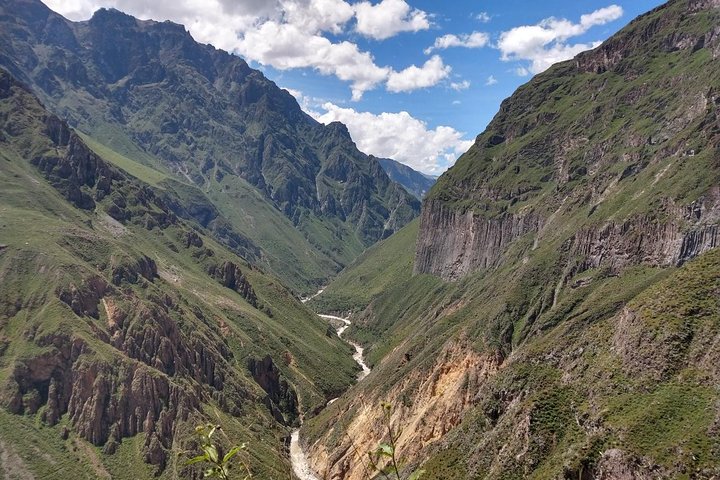

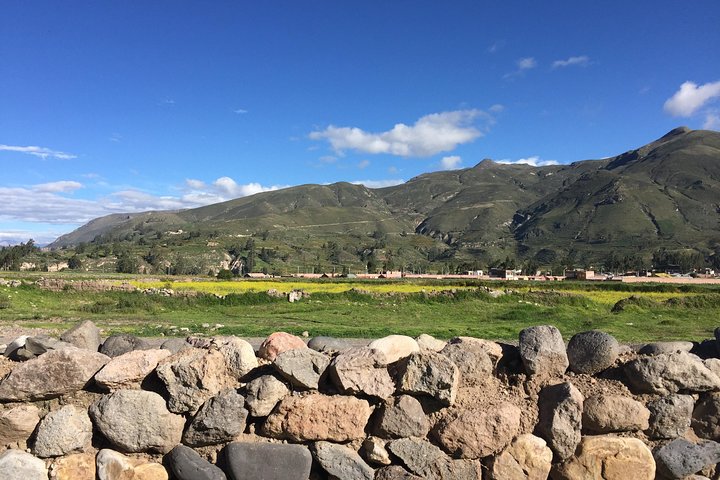
This two-day trek begins with an early morning departure to reach the Condor’s Cross lookout. Arriving early allows you to watch Andean condors in flight before the group moves on to Cabanaconde, the starting point for the hike. The trail leads down into one of the deepest canyons on earth, where the landscape changes from high-altitude plains to steep valley walls. Throughout the journey, you will see native wildlife like alpacas and vicuñas, along with a diverse collection of over 79 different cactus species. Your guide will lead the way through the valley, explaining the local ecosystem and ensuring you stay on track during the descent and the eventual climb back out of the canyon.
All sales are final. No refund is available for cancellations.
English, Spanish


Located in southern Peru, the Colca Canyon is one of the deepest canyons in the world. The surrounding valley follows the Colca River, a destination popular for rafting, and is defined by its green landscapes and ancient stone terraces. These terraces, originally constructed by the Incas, are still used for farming by the residents of the area's remote, traditional villages. The region is also a primary habitat for the Andean condor. Visitors can observe these large birds from several vantage points along the canyon rim, with the Cruz del Cóndor viewpoint being the most well-known spot for sightings.
For a full refund, cancel at least 24 hours before the scheduled departure time.
English, French, Spanish


This three-day trek takes you deep into the Colca Canyon, one of the deepest river canyons on Earth. Starting in the Colca Valley, the route descends through dramatic landscapes where you can watch Andean condors soaring above the cliffs. The journey follows a mix of rugged terrain and well-preserved trails used for centuries by the people of the Andes. Along the way, you will pass through remote rural villages, offering a firsthand look at how local communities live today. These paths are steeped in history, following the same routes established by Pre-Inca and Inca civilizations. You will spend your time navigating the valley floor and steep canyon walls, gaining a practical understanding of the region's ancient heritage and natural scale.
For a full refund, cancel at least 24 hours before the scheduled departure time.
English, Spanish


This day trip departs from Arequipa in the early morning, traveling through the volcanic highlands to the town of Chivay. After a traditional Andean breakfast, you will reach the Cruz del Cóndor viewpoint. Here, you can watch Andean condors flying above one of the world's deepest canyons while taking in the scale of the surrounding landscape. The itinerary includes stops at ancient pre-Inca agricultural terraces and small colonial villages. You will have time to soak in natural thermal baths and eat a regional lunch in Chivay before beginning the return trip. The drive back features views of high-altitude volcanoes and a stop at the national reserve to see wild vicuñas and local wildlife in their natural habitat.
For a full refund, cancel at least 24 hours before the scheduled departure time.
English, Spanish


This full-day tour covers the essential landmarks of the Colca Canyon in a single trip. You will visit the main lookout points to see the canyon’s depth and watch Andean condors at the famous Flight of the Condor site. The itinerary also includes stops at traditional local villages and time to bathe in the area's natural hot springs. While the journey involves several hours of driving, the tour itself requires very little physical effort as the roads are well-maintained and accessible for all ages. Travelers should be mindful of the high altitude and come prepared for shifting weather conditions, which can be unpredictable in the mountains.
For a full refund, cancel at least 24 hours before the scheduled departure time.
English, Spanish


This full-day excursion begins with an early morning pickup from your hotel, providing a direct route to the Colca Valley. It is a practical option for travelers with a tight schedule who want to see one of the deepest canyons in the world without an overnight stay. You will travel in comfortable tourist transportation with an official English-speaking guide. The route showcases the diverse landscapes of the Andes and offers a look into the local way of life in the valley's traditional villages.
For a full refund, cancel at least 24 hours before the scheduled departure time.
English, Spanish


This two-day trip takes you into one of the world's deepest canyons, beginning with a drive through the Salinas and Aguada Blanca National Reserve. Along the way, you can spot herds of wild vicuñas alongside domesticated alpacas and llamas. The landscape is defined by steep mountains, deep gorges, and ancient agricultural terraces that are still farmed by local communities today. As you travel through the Colca Valley, you will have the chance to visit small villages and interact with residents who maintain long-standing Andean traditions. The second day focuses on the canyon's most famous inhabitants at the Cruz del Condor. Here, you can watch Andean condors use the morning thermals to rise from the depths of the canyon, often soaring close to the lookout points on the rim.
For a full refund, cancel at least 24 hours before the scheduled departure time.
English, Spanish