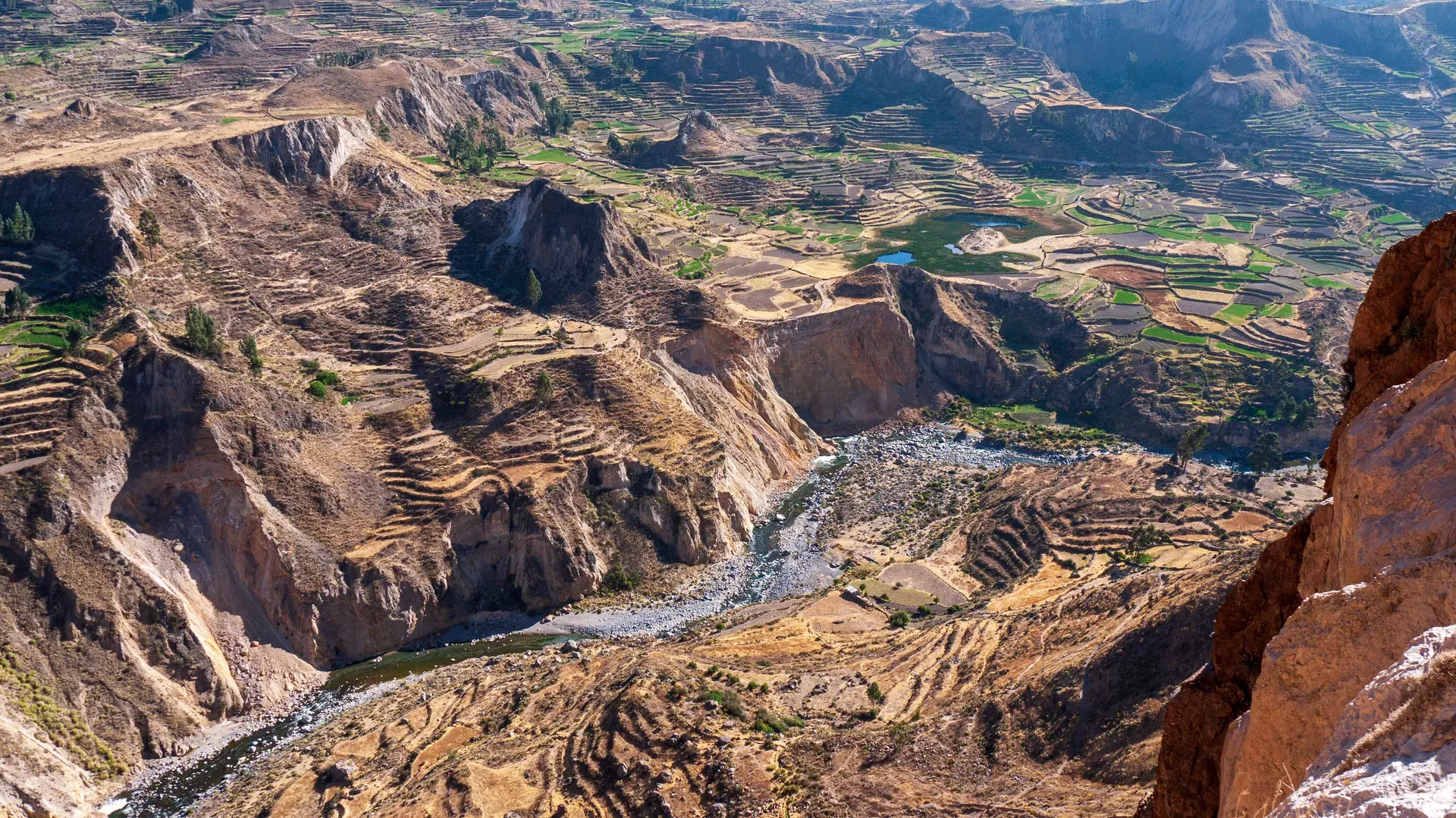
At 4,160 meters deep, Colca Canyon is the second deepest gorge in the world. Visitors hike steep trails past ancient agricultural terraces to watch Andean condors with eight-foot wingspans glide on thermal wind currents.
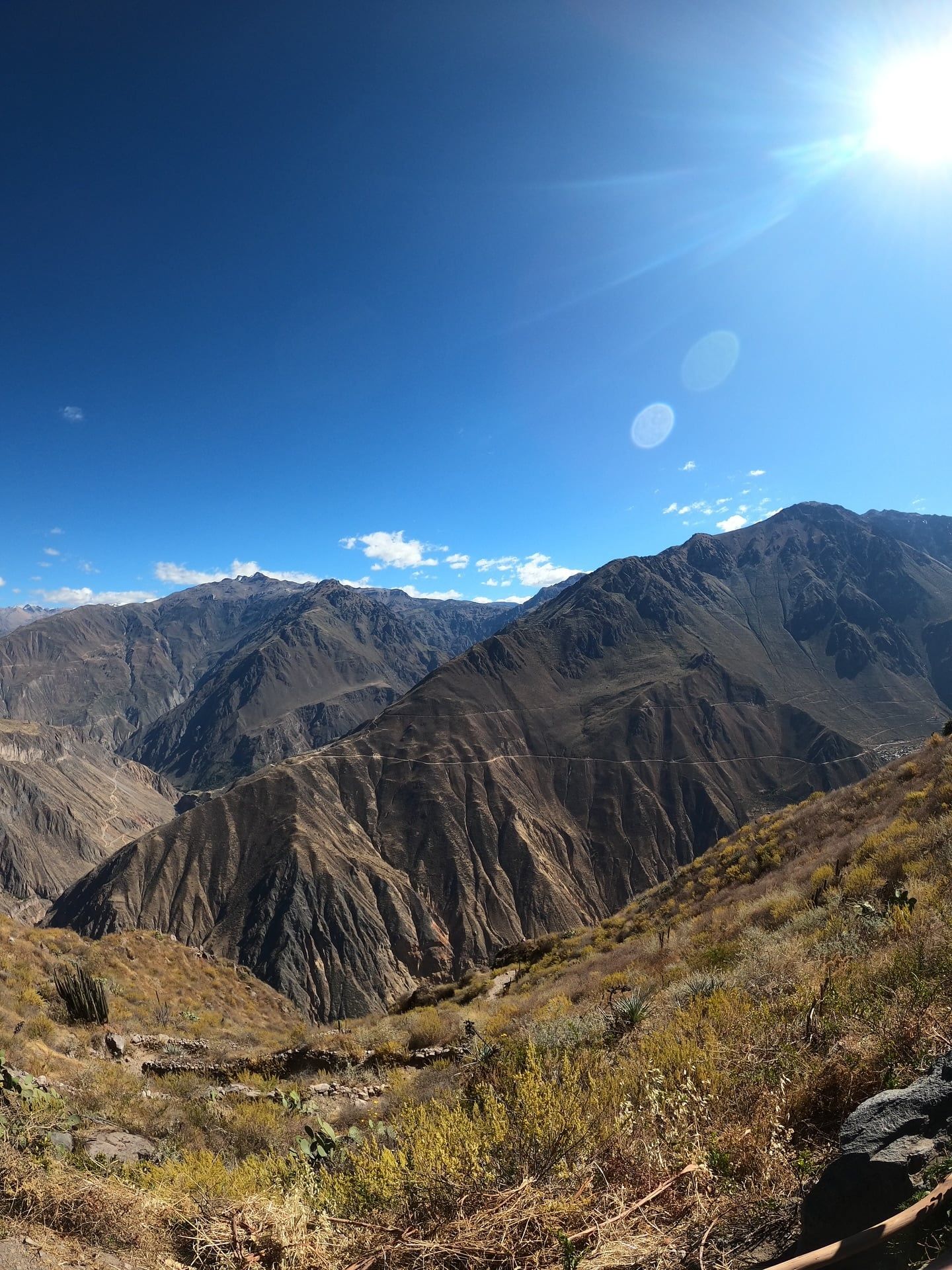
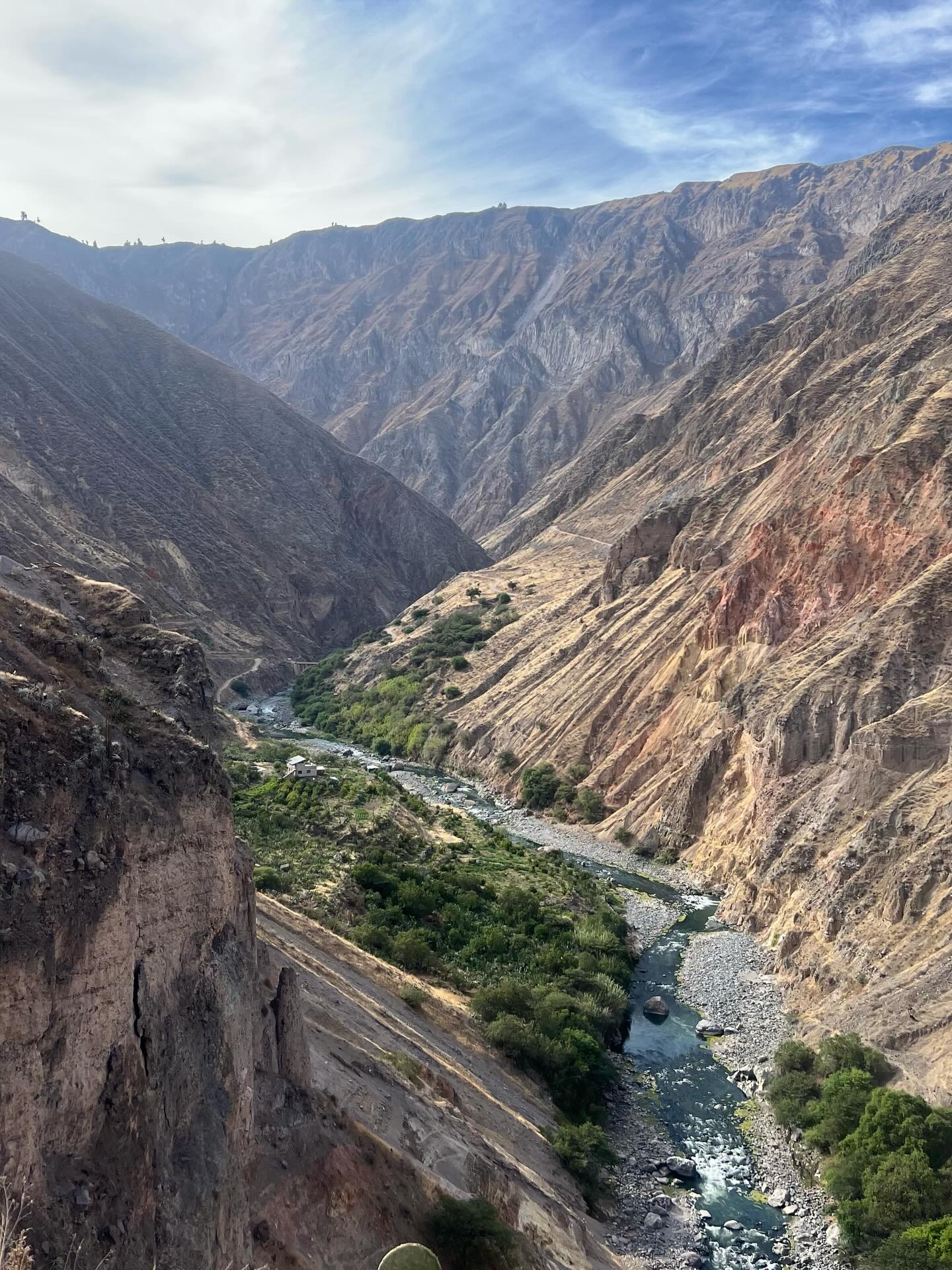
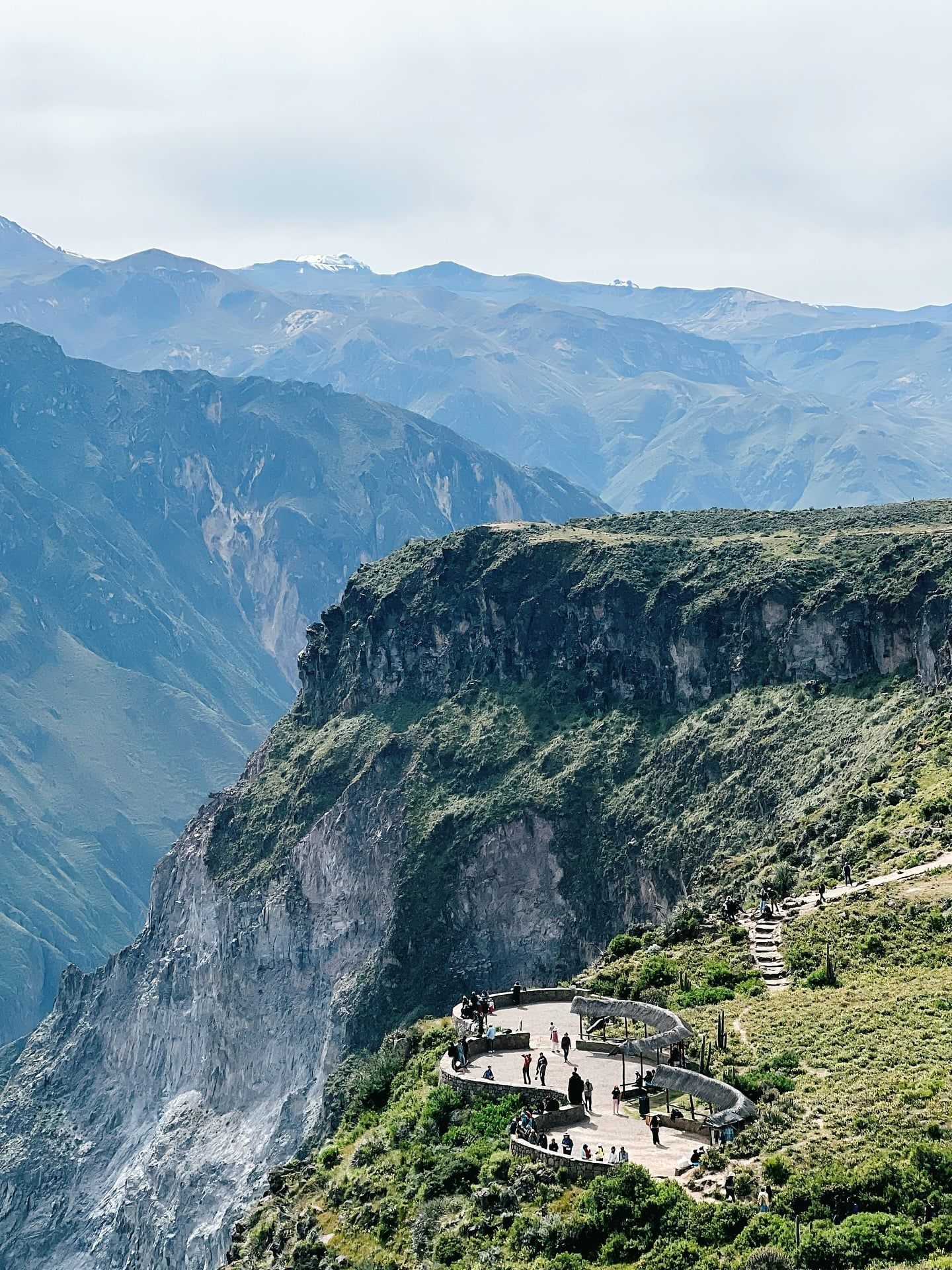
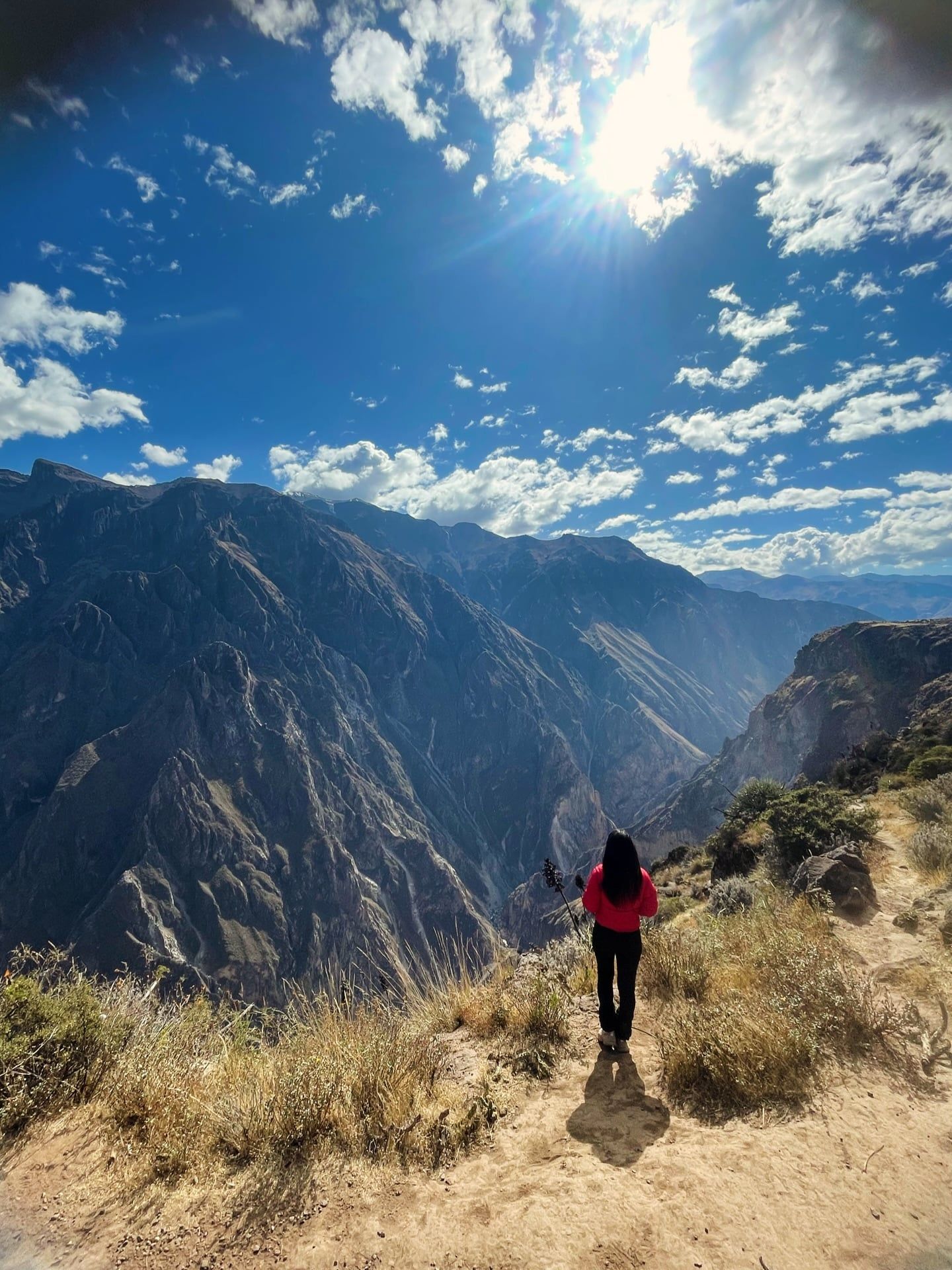
Find Guided ToursColca Canyon (Cañon del Colca) is a massive gorge carved by the Colca River, located 160 kilometers northwest of Arequipa in southern Peru. Plunging to a depth of 4,160 meters, it is widely recognized as the second deepest canyon in the world. The canyon stretches between 70 and 100 kilometers in length, featuring steep slopes of up to 60 degrees. Elevations change drastically across the landscape, rising from 1,800 meters at the canyon floor to 6,288 meters at the snow-capped summit of Nevado Ampato.
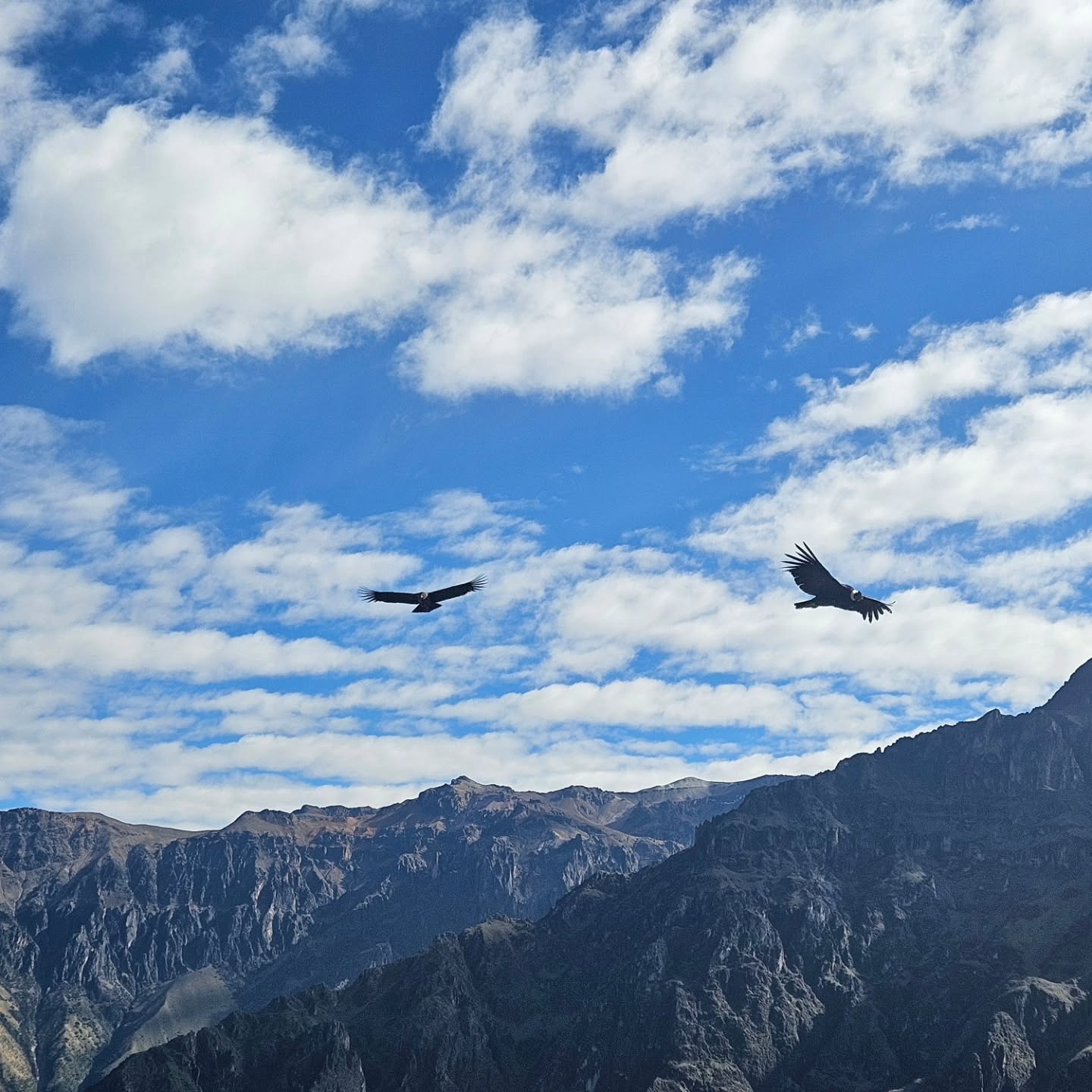
The river formed this immense valley over millennia by eroding volcanic rock layers along a major fault line. This high level of geothermal activity is still visible today through the region's numerous geysers, fumaroles, and natural hot springs, which reach temperatures between 36°C and 50°C. The canyon also provides a vital natural habitat for the endangered Andean condor. Visitors often gather at observation points to watch these massive birds, which possess an eight-foot (2.5-meter) wingspan, ride the morning thermal currents.
Human activity in the Colca Valley dates back to 6,000 B.C. with the arrival of camelid hunter-gatherers. Around 900 B.C., the Cabana and Collagua cultures settled the region. These early inhabitants engineered extensive stepped agricultural terraces, known as andenes, alongside stone storehouses called colcas. Their descendants still live in the valley and actively cultivate these ancient terraces today.
The Incas eventually conquered the region, adding their own archaeological footprint. This includes the high-altitude summit of Nevado Ampato, the discovery site of the famous frozen Inca mummy known as 'Juanita'. Following the Spanish colonial era, the area remained relatively quiet until May 1981. A Polish rafting expedition led by Andrzej Pietowski completed the first descent of the river below Cabanaconde. This expedition brought global attention to the valley, leading the Guinness Book of Records to officially recognize its record depth in 1984.
Discover the full history and cultural significance on our About page.
Stand at the Mirador Cruz del Condor observation platform to watch Andean condors ride morning thermal currents. These birds have an eight-foot wingspan and glide just meters from the vertigo-inducing cliff edge. Morning visits between 8:00 AM and 10:00 AM provide the most reliable sightings.
Trek down into the 4,160-meter-deep gorge from Cabanaconde to reach Sangalle. This lush tropical oasis sits at the very bottom of the arid canyon. Hikers rest under palm trees and swim in natural pools before tackling the grueling, steep climb back up to the high-altitude rim.
Geothermal activity fuels natural thermal baths throughout the valley. At La Calera near Chivay, mineral-rich waters range from 36°C to 50°C to soothe sore trekking muscles. For a more remote soak, the Llahuar geothermal area features warm pools right beside the rushing Colca River under an unpolluted night sky.
The route to the canyon reaches a staggering elevation of 4,900 meters at Patapampa Pass. Travelers stop here to breathe the thin mountain air and view active volcanoes. Nearby, the Salinas and Aguada Blanca National Reserve hosts wild vicuñas roaming across a dramatic 4,000-meter volcanic plateau.
Hand-picked tours with free cancellation and verified reviews
 Free Cancellation 48h
  Free Cancellation
  48h
48h  48h
48h  Free Cancellation 15h
  Free Cancellation 72h
  Free Cancellation 15h
  Free Cancellation
 The optimal time to visit the 4,160-meter deep Colca Canyon is during the dry season from May to November, specifically between April and August. These months provide clear skies for spotting eight-foot wingspan Andean condors and stable conditions for navigating steep trails.
Falling within the broader dry season, these months offer clear trails and open skies. Rainfall remains infrequent, making it a reliable period for hiking and observing Andean condors.
This peak rainy season brings unpredictable weather and hazardous, slippery trails. Heavy rains significantly increase the risk of flash floods, landslides, and road closures caused by volcanic debris.
Conditions transition sharply during these months. While March carries lingering risks of heavy rain and mudslides, April and May introduce clear skies and highly reliable weather for canyon descents.
Representing the peak dry season, these months provide the most favorable conditions. Trekkers will find dry, stable paths, minimal rain, and highly reliable thermal currents for morning condor sightings.
The main Ticket Control office in Chivay is open Monday through Sunday from 5:00 AM to 6:00 PM. The municipal Tourist Information Office in Arequipa operates Monday through Friday from 8:00 AM to 3:45 PM.
| Category | Price |
|---|---|
| Non-Latin American Foreign Adults | S/ 70.00 (approx. USD 19.00) |
| Latin American Adults | S/ 40.00 (approx. USD 11.00) |
| Foreign Children (Aged 6 to 15) | S/ 20.00 (approx. USD 6.00) |
| Children (Under 5) | Free |
The Boleto Turístico Colca (Tourist Ticket) must be purchased in cash using Peruvian Soles (PEN). Credit cards are not accepted at checkpoints or ticket offices. Visitors must present a valid official ID, such as a passport, alongside their ticket. Keep the physical ticket secure and dry; park officials conduct inspections along the trails, and losing it requires paying the S/ 70.00 fee a second time.
For complete schedules and ticket prices, visit our Hours & Fees page.
Arequipa serves as the primary starting point for trips to Colca Canyon, located 160 kilometers to the northwest. Visitors can choose between public buses, shared minivans, or private cars to reach the valley towns of Chivay and Cabanaconde.
📍 Caylloma Province, 160 kilometers northwest of Arequipa, Peru
Large public buses depart regularly from the Terminal Terrestre in Arequipa. These vehicles provide a direct route to the canyon towns of Chivay and Cabanaconde. This is the most budget-friendly transport method available to travelers. However, the buses are notoriously slow and rickety. They often take significantly longer to complete the 160-kilometer trip than other vehicle types.
Shared public minivans operate frequently between Arequipa and the gateway town of Chivay. These colectivos cover the 160-kilometer distance much faster than the standard public buses. Passengers generally find them to be a more comfortable ride. Consequently, they remain the preferred transit choice for independent travelers heading into the canyon region.
Hiring private transport offers the most direct and comfortable route to the canyon. Drivers are typically hired for a round trip from Arequipa. This option allows passengers to dictate the schedule and make scenic stops along the way. Travelers frequently pause to observe wild vicuñas at the high-altitude Salinas and Aguada Blanca National Reserve.
For detailed transport options and routes, visit our Directions page.
Withdraw plenty of Peruvian Soles before leaving Arequipa. Credit cards are not accepted for the S/ 70.00 tourist ticket or at checkpoint offices. You will also need physical cash to pay for food, water, and emergency mules, as there are no ATMs inside the canyon.
Spend at least two to three days adjusting to the altitude in Arequipa before tackling the canyon. Trail elevations exceed 3,000 meters, making altitude sickness a serious risk. Drink local coca leaf tea, stay hydrated, and avoid alcohol to help your body adapt.
Cut your toenails short before starting the descent. The trails down to villages like Sangalle and Llahuar drop steeply over loose gravel and volcanic dust. Long toenails hitting the front of your boots will cause painful bruising. Invest in trekking poles to protect your knees from the impact.
Bring a reliable headlamp and spare batteries for your overnight stays. Many rustic hostels located deep inside the canyon have no electricity or rely entirely on limited solar power. You will need a dependable light source to navigate the dark trails and facilities at night.
Keep your physical Boleto Turístico in a secure, dry place throughout your visit. Park officials regularly ask to inspect this document at various checkpoints along the rugged trails. If you lose it, you must pay the S/ 70.00 entry fee a second time.
The high-altitude sun is extremely strong, and the steep canyon walls offer virtually no shade. Carry at least two liters of water to prevent dehydration during the daytime heat. Apply high-SPF sunscreen, wear a wide-brimmed hat, and start your hikes early in the morning.
Sitting at 4,000 meters, this high-altitude reserve is a sanctuary for wild vicuñas, alpacas, and llamas. Its wetlands and lagoons host exotic Andean birds across a dramatic volcanic landscape.
Travelers visit this traditional stone village to observe authentic pre-Inca customs. The local community preserves ancient weaving techniques and provides homestays focused on rural high-altitude farming.
This peaceful hamlet on the north side of the valley contains ancient pre-Inca agricultural terraces. Visitors can also use the upscale thermal pools at the Colca Lodge for a quiet alternative to busier trails.
Read what travelers share about their experience visiting Colca Canyon — from practical tips to personal highlights.
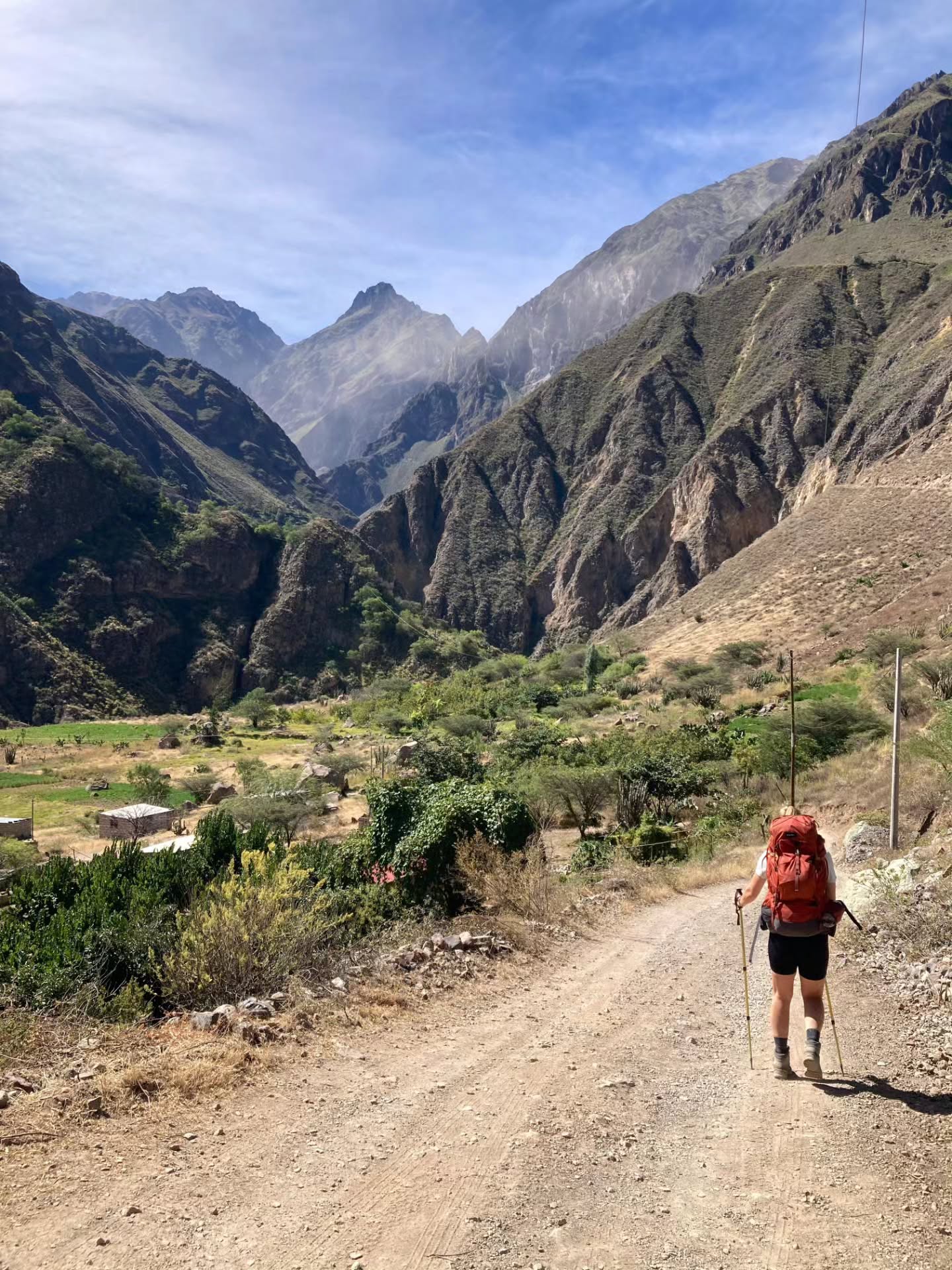
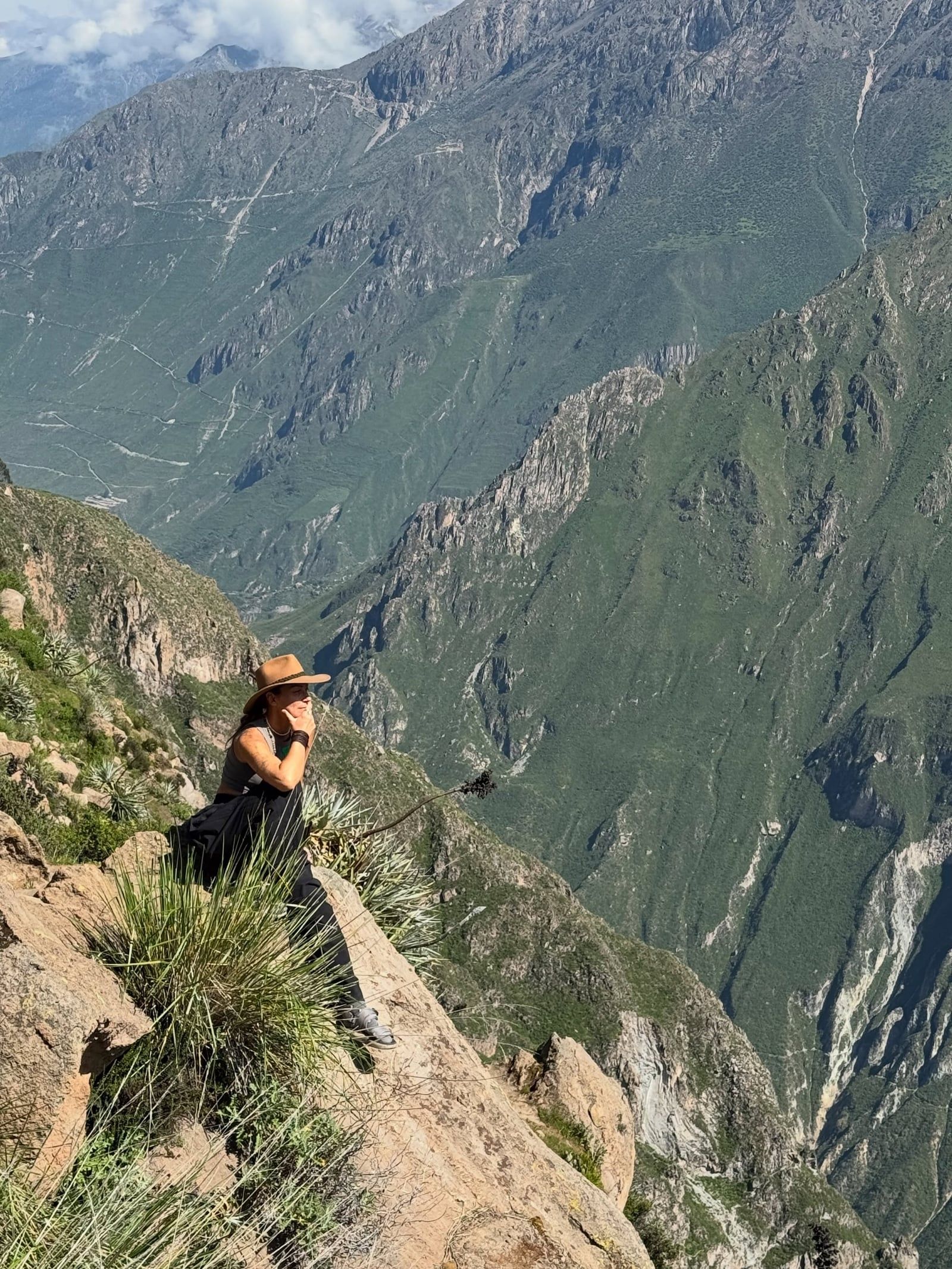
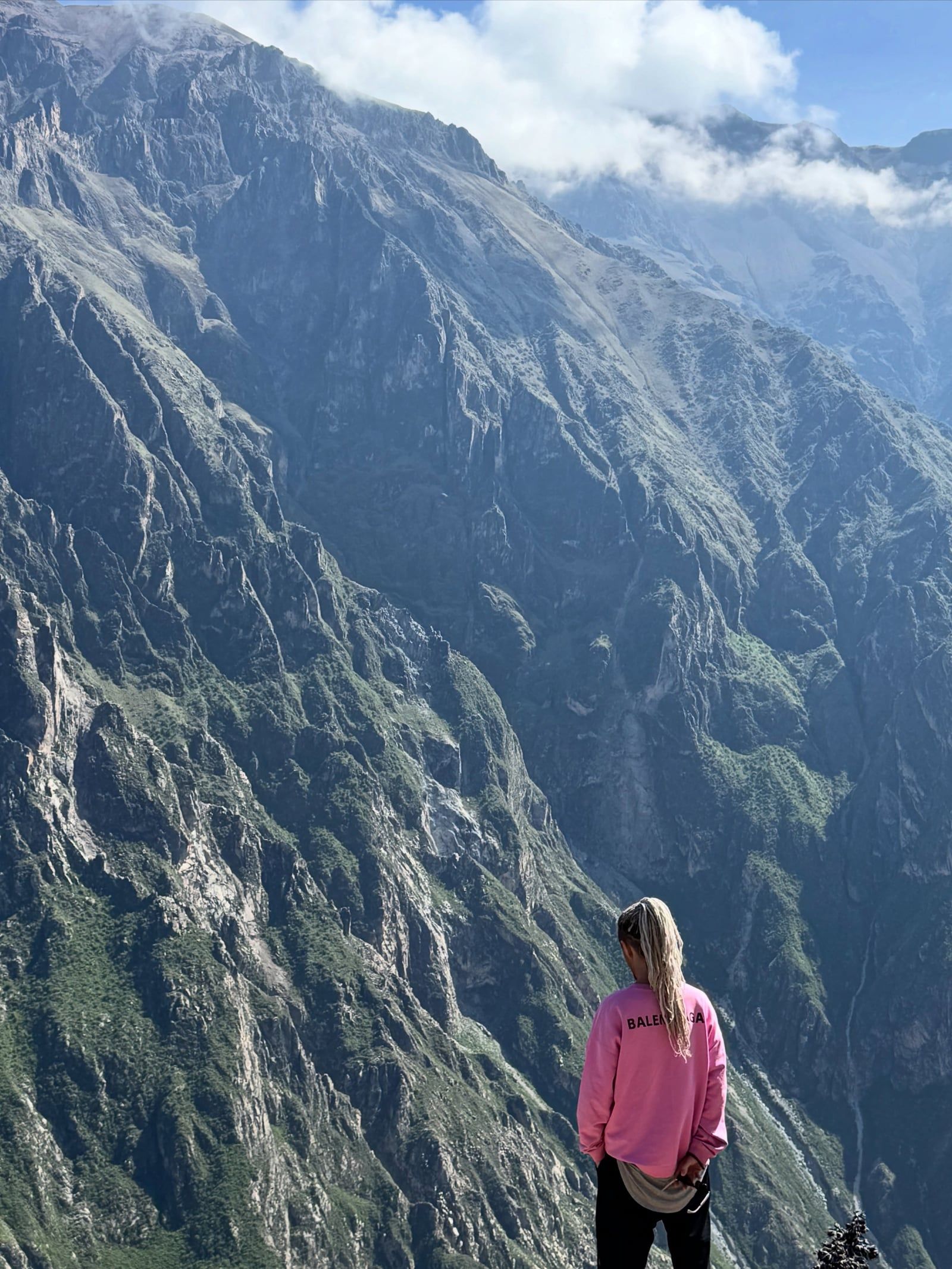
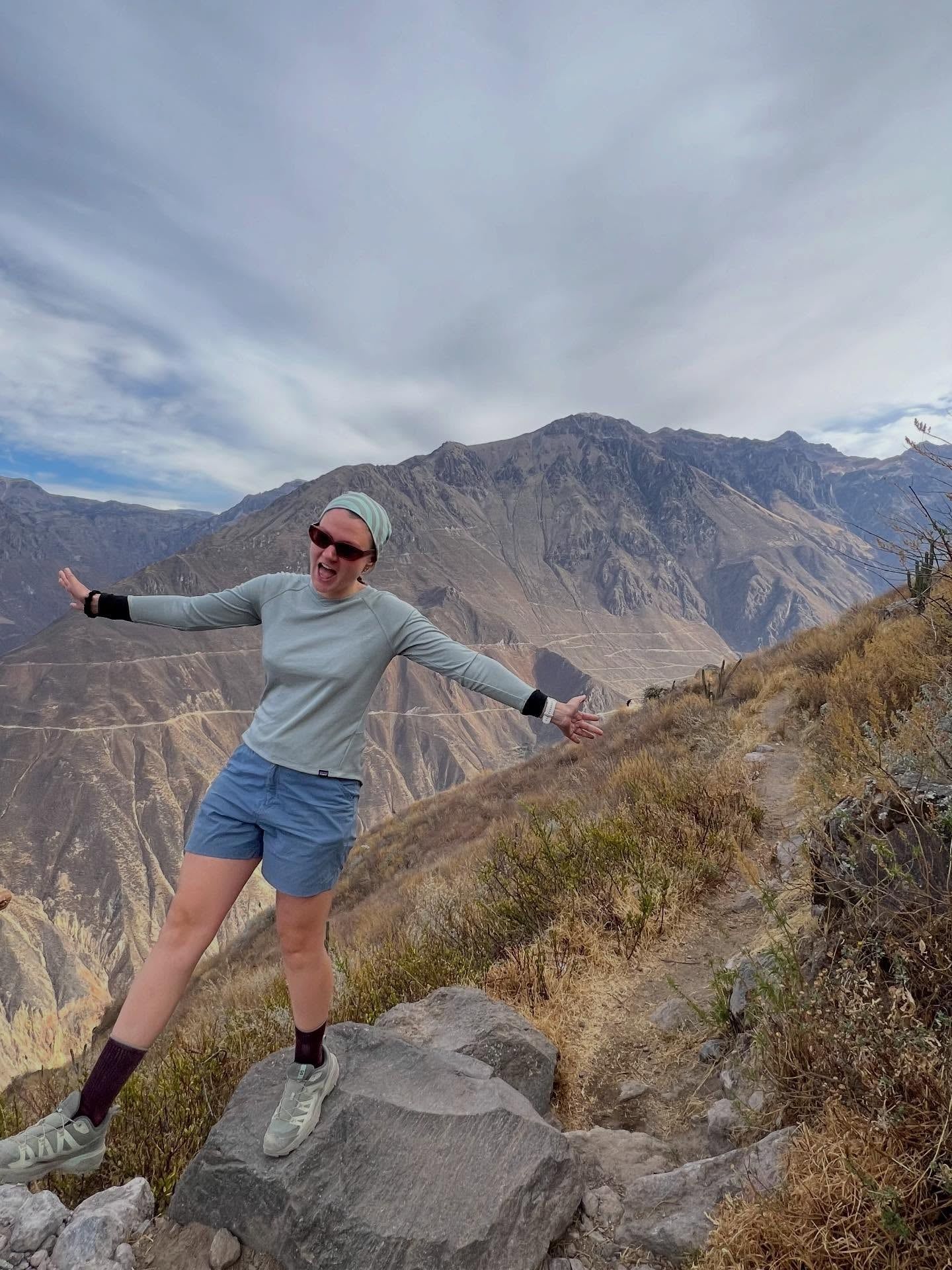
The Boleto Turístico Colca costs S/ 70.00 (about USD 19.00) for non-Latin American foreign adults. Latin American adults pay S/ 40.00, and children aged 6 to 15 pay S/ 20.00. You must pay this fee in cash using Peruvian Soles at physical checkpoints, as credit cards are not accepted.
The canyon is located 160 kilometers northwest of Arequipa. Public minivans, known as colectivos, are the preferred independent option, taking three hours and costing S/ 15. You can also hire a private car for direct transport, which costs between US$ 130 and US$ 180 for a round trip.
The optimal time to visit is during the dry season from May to November, when rainfall is minimal and trails are clear. The rainy season from December to March brings dangerous, slippery trails and a high risk of landslides.
Condor sightings are most reliable in the morning between 8:00 AM and 10:00 AM. During these hours, the rising sun warms the canyon air, creating the thermal currents that the birds use to glide.
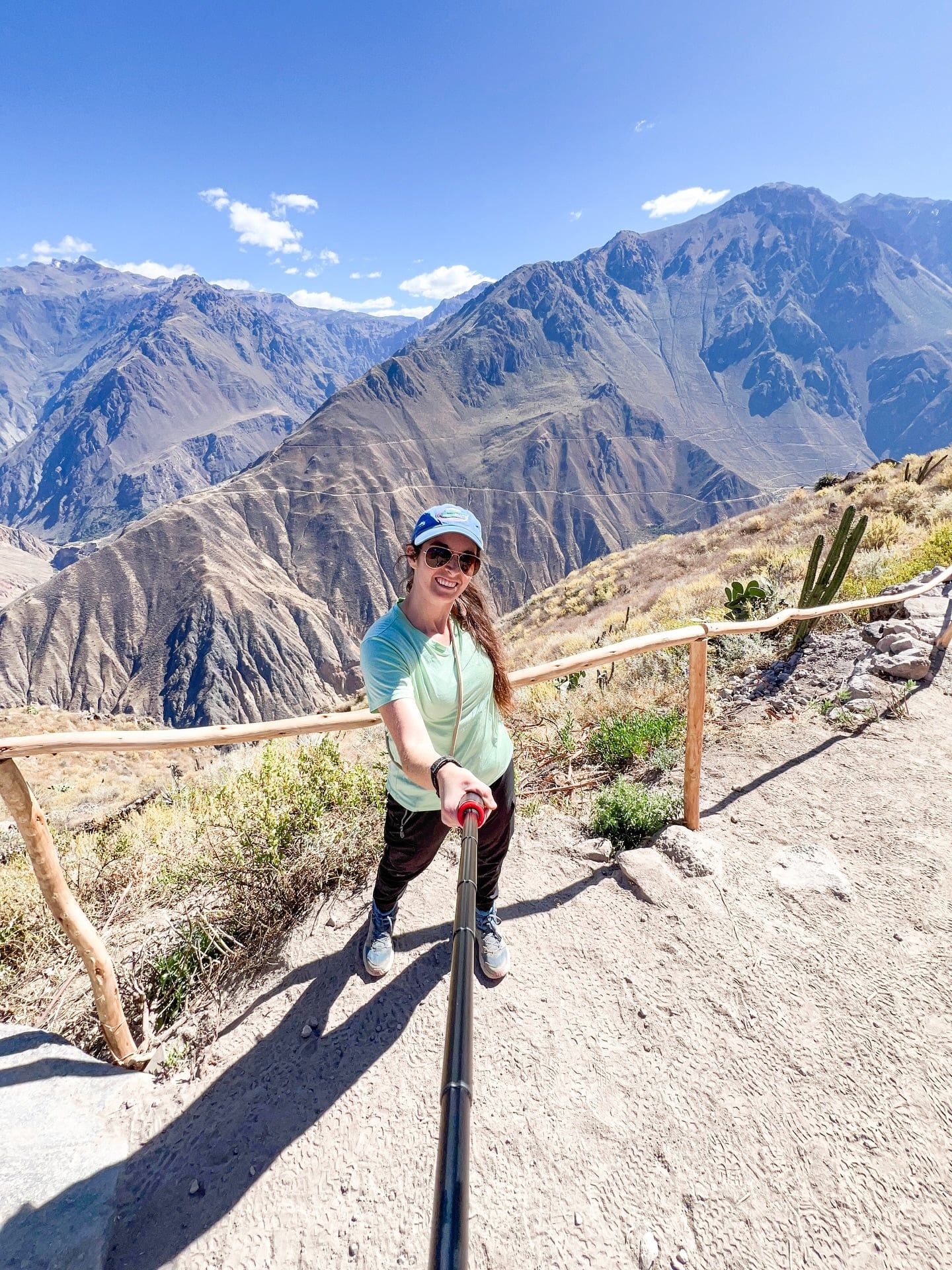
You need sturdy hiking boots, trekking poles for the steep 60-degree slopes, and warm jackets for freezing night temperatures. Always carry at least two liters of water, high-SPF sunscreen, and plenty of cash in Peruvian Soles, as there are no ATMs inside the canyon. A headlamp is also crucial since many rustic hostels lack reliable electricity.
The steep, unstable trails and high elevations over 3,000 meters make the canyon highly challenging for wheelchair users and seniors. Paved pathways are mostly limited to main town plazas like Chivay. Elderly visitors are advised to stick to gentler walks near the towns, visit the hot springs, or use accessible lookouts instead of attempting deep descents.
No special trekking permits are required to hike in the canyon. You only need to purchase the standard Boleto Turístico Colca at checkpoints like Chivay, which are open daily from 5:00 AM to 6:00 PM. However, booking your accommodations and transport ahead of time is highly recommended.
Colca Canyon reaches a maximum depth of 4,160 meters, making it roughly twice as deep as Arizona's Grand Canyon, which averages 1,600 meters. The canyon floor sits at 1,800 meters, while the surrounding peaks, like Nevado Ampato, rise to an elevation of 6,288 meters.
Browse verified tours with free cancellation and instant confirmation.
Find Tours